Rotational Moulding Machines: Process, Technology & Manufacturing Guide
Rotational moulding, also called rotomoulding, is a manufacturing process used to create hollow plastic products. It involves heating plastic inside a mould while the mould rotates around two or more axes. The movement spreads the softened material across the inside surface, creating a hollow shape.
Rotational moulding machines are the equipment used to carry out this process. They are found in plastic manufacturing plants, industrial production facilities, and workshops that produce large or complex hollow components.
The process exists because conventional plastic manufacturing methods are not always suitable for large, hollow products. Rotational moulding provides a way to create seamless containers, tanks, and other components using relatively simple mould structures.
Common products made with this technology include:
- Water storage tanks and chemical containers.
- Agricultural bins and industrial storage boxes.
- Playground equipment and recreational products.
- Plastic pallets, road barriers, and waste containers.
- Automotive components and specialist industrial housings.
A typical rotational moulding machine includes a heating chamber, mould rotation mechanism, cooling area, control system, and loading or unloading arrangement. Some machines use separate heating and cooling stations, while others use a shuttle or carousel configuration.
Importance: Why Rotational Moulding Matters Today
Rotational moulding machines support the production of durable hollow plastic components for many industries. Their importance comes from the ability to manufacture products with complex shapes, consistent wall thickness, and relatively low material waste when the process is properly controlled.
The technology is particularly useful for large products that need to withstand outdoor conditions, repeated handling, or exposure to moisture. For example, storage tanks and agricultural containers must maintain their shape and strength during everyday use.
Manufacturers also use rotational moulding for products that require:
- Large hollow structures with fewer joints.
- Complex curves and integrated design features.
- Different wall thicknesses in selected areas.
- Lightweight components with practical strength.
- Repeatable production using reusable moulds.
The process affects several groups. Equipment operators need to understand heating, rotation, and cooling conditions. Product designers must consider mould geometry and material behaviour. Quality engineers monitor wall thickness, surface appearance, and structural performance.
The technology also addresses manufacturing challenges. Large hollow products can be difficult to produce using solid plastic blocks or conventional machining. Rotational moulding can create the required shape directly, reducing the need for extensive secondary assembly.
How the Rotational Moulding Process Works
Rotational moulding is generally carried out in a series of controlled stages. Each stage influences the final quality of the plastic component.
Mould preparation and loading
The process begins with a hollow mould made from a suitable metal. The mould is cleaned, inspected, and prepared for production. A measured quantity of plastic powder or another suitable material is placed inside the mould.
The mould is then closed securely. Its design determines the shape of the finished product, including openings, corners, and other features.
Heating and rotation
The loaded mould moves into a heating chamber. As the mould rotates around its axes, the plastic gradually melts and spreads across the inner walls.
The heating temperature and duration depend on the polymer, mould design, and product requirements. Too little heat can leave unmelted material, while excessive heating may damage the polymer or affect its properties.
Cooling
After heating, the mould moves to a cooling area. Air circulation or other controlled cooling methods remove heat from the mould and plastic.
Rotation generally continues during cooling so that the material remains distributed evenly. The plastic solidifies against the mould surface and takes the desired shape.
Demoulding and inspection
Once the component has cooled sufficiently, the mould is opened and the finished product is removed. Any required trimming, drilling, or finishing is carried out afterward.
The product is inspected for defects such as air pockets, uneven walls, incomplete fusion, or distortion. Acceptable parts are then prepared for their intended application.
Types of Rotational Moulding Machines
Different machine configurations are used depending on the product size, production requirements, and available factory space.
Shuttle rotational moulding machines
Shuttle machines move moulds between heating and cooling stations. They are useful for flexible production because operators can work with different mould sizes and product designs.
Carousel rotational moulding machines
Carousel machines use multiple arms or stations arranged around a central structure. Moulds move through heating, cooling, and loading stages in a repeated sequence.
Rock and roll machines
Rock and roll machines are designed for long or irregularly shaped products. The mould rotates and rocks to distribute plastic across the internal surface.
Clamshell machines
Clamshell machines combine heating and cooling functions in a chamber that opens for loading and unloading. They are commonly used where a compact equipment arrangement is suitable.
The selection of a machine depends on product dimensions, polymer type, mould weight, rotation control, and production volume.
Recent Updates: Technology Trends in 2025 and 2026
Recent developments in rotational moulding have focused on process control, energy efficiency, material development, and manufacturing automation. These trends are relevant to factories planning equipment upgrades or improving existing production systems.
Improved process monitoring
Modern equipment increasingly uses digital temperature sensors, programmable controllers, and data logging. These systems help operators track heating and cooling conditions and identify changes between production cycles.
Automation and robotics
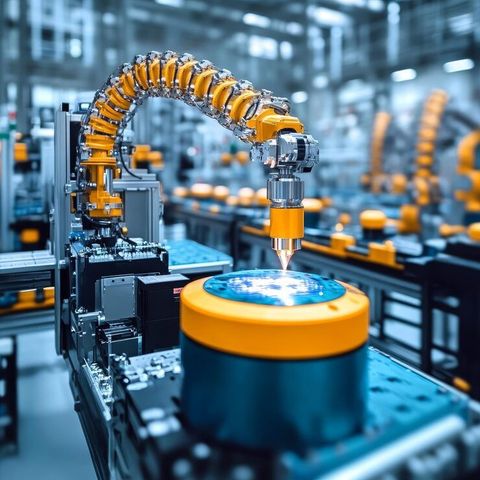
Automated mould handling, material dosing, and product removal are becoming more important in industrial manufacturing. These technologies can reduce repetitive manual operations and improve process consistency when correctly integrated.
Energy management
Manufacturers are exploring improved insulation, controlled heating systems, and more efficient cooling arrangements. The objective is to reduce unnecessary energy use while maintaining the required plastic processing conditions.
Material development
Research and industrial development continue to examine recycled polymers, improved polymer blends, and materials with better resistance to weathering or chemical exposure. Material selection remains dependent on product performance requirements and processing compatibility.
These are ongoing technology directions rather than guarantees that every machine includes the latest features. Equipment capabilities vary by manufacturer and model.
Laws or Policies: Manufacturing Compliance
Rotational moulding is affected by the regulations of the country where the equipment operates and where the finished products are used. Since no specific country was provided, the following are general compliance considerations rather than country-specific legal advice.
Machine safety
Industrial equipment should be designed, installed, and operated according to applicable machinery safety regulations. Important areas include guarding, emergency stops, moving arms, hot surfaces, and safe access to heating chambers.
Workplace safety
Factories need procedures for handling hot moulds, polymer powders, lifting equipment, and rotating machinery. Appropriate training, protective equipment, ventilation, and emergency arrangements are important parts of safe operation.
Environmental requirements
Plastic processing facilities may be subject to rules concerning air emissions, industrial waste, energy use, and disposal of production scrap. The applicable requirements depend on the country, location, and scale of the facility.
Product-specific regulations
Products such as drinking-water tanks, food-contact containers, and equipment used in regulated industries may require additional material testing and product compliance documentation. A machine's manufacturing capability does not automatically establish that the finished product meets those requirements.
Tools and Resources for Rotational Moulding
Several practical tools help students, engineers, and manufacturing teams understand and manage rotational moulding processes.
- CAD software: Used to design mould geometry, openings, ribs, and complex hollow shapes.
- Temperature data loggers: Record heating and cooling conditions during production cycles.
- Wall thickness gauges: Help inspect the thickness of plastic components at selected locations.
- Process calculation sheets: Track material quantities, heating times, cooling periods, and cycle results.
- Maintenance checklists: Record inspections of bearings, rotation drives, heating equipment, and safety controls.
- Material technical data sheets: Provide information about polymer processing conditions and expected properties.
- Training manuals: Explain mould design, polymer handling, equipment operation, and workplace safety.
- Quality inspection templates: Help document dimensions, surface defects, and product test results.
These resources support better understanding and process control. They should be used alongside the equipment manufacturer's operating instructions and applicable regulations.
FAQs: Rotational Moulding Machines
What is a rotational moulding machine used for?
A rotational moulding machine is used to manufacture hollow plastic products. It heats plastic inside a rotating mould, allowing the material to form a hollow component such as a tank, bin, or industrial container.
Which materials are commonly used in rotational moulding?
Polyethylene is widely used in rotational moulding, including high-density and linear low-density polyethylene grades. Other polymers may be suitable when their melting behaviour, processing conditions, and product requirements are compatible with the equipment.
How long does a rotational moulding cycle take?
Cycle time varies according to the polymer, product size, mould design, heating conditions, and cooling method. Large or thick-walled products generally require more time than smaller components. Actual cycle duration should be established through controlled process testing.
What quality problems can occur during rotational moulding?
Common problems include uneven wall thickness, air bubbles, incomplete melting, surface defects, and product distortion. These issues can result from unsuitable material preparation, heating conditions, mould rotation, or cooling practices.
What factors matter when selecting a rotational moulding machine?
Important factors include product dimensions, mould capacity, heating system, rotation control, cooling arrangement, safety features, automation requirements, and maintenance needs. The intended product should determine the equipment configuration.
Conclusion: Understanding Rotational Moulding Technology
Rotational moulding machines are important tools for producing hollow plastic components used in storage, agriculture, infrastructure, recreation, and industrial manufacturing. The process combines controlled heating, mould rotation, and cooling to form plastic products with complex shapes.