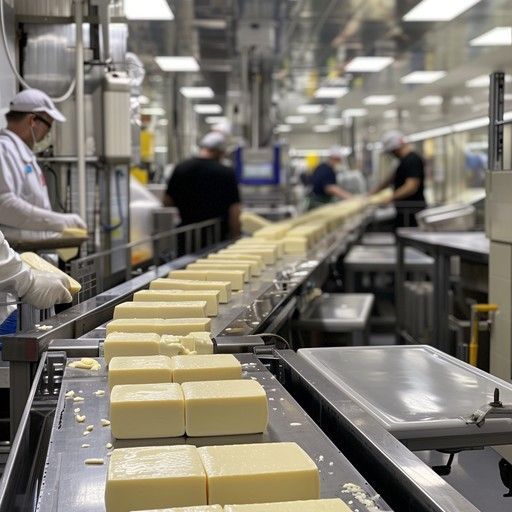
Industrial Cheese Making Machines: Advanced Equipment & Technology Guide
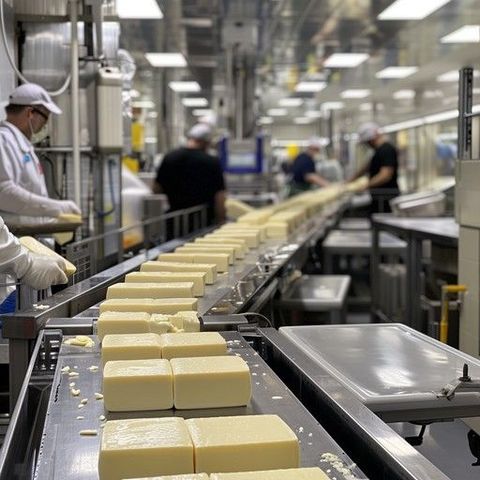
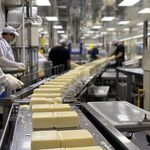
Cheese production combines microbiology, food chemistry, temperature control, and mechanical processing. Industrial cheese making machines bring these activities together in a controlled production environment. They are designed to process milk through stages such as heating, coagulation, curd cutting, whey separation, molding, pressing, cooling, ripening, and packaging.
The exact equipment configuration depends on the cheese variety. Cheddar, mozzarella, Gouda, Swiss-style, cream cheese, and other products can require different processing conditions. A production line therefore usually contains several machines rather than one universal cheese-making machine.
Typical equipment may include:
- Milk reception and storage tanks
- Milk pasteurization systems
- Cheese vats
- Curd-cutting equipment
- Curd cooking systems
- Whey separation units
- Curd washing equipment
- Cheese molding machines
- Cheese pressing systems
- Brining tanks
- Cooling equipment
- Ripening rooms and environmental controls
- Cutting and portioning machines
- Packaging equipment
- Cleaning-in-place systems
- Sensors and process-control systems
Modern dairy processing equipment is generally designed around controlled temperature, pressure, flow, time, and hygiene conditions. Food-contact surfaces need to be suitable for hygienic processing and effective cleaning.
For example, European food hygiene rules specify requirements for equipment surfaces that come into contact with milk, including properties such as being easy to clean and, where necessary, disinfect.
Why Cheese Processing Equipment Matters Today
The growth of industrial dairy processing has increased the importance of consistent production controls. Cheese quality can change when temperature, acidity, moisture, culture activity, cutting, or pressing conditions vary.
Industrial cheese making equipment helps processors manage these variables more systematically.
One important benefit is process consistency. Automated controls can monitor parameters such as temperature and processing time during different stages. This can make production records easier to maintain and help operators identify deviations.
Another important area is food safety. Milk and dairy products can be affected by biological, chemical, and physical hazards. Equipment design, sanitation procedures, process monitoring, and environmental controls all contribute to risk management.
Industrial cheese manufacturing also affects several groups:
- Dairy processors managing production facilities
- Food engineers designing processing lines
- Quality-control teams monitoring production
- Maintenance teams responsible for equipment reliability
- Food-safety professionals developing HACCP procedures
- Researchers developing new dairy-processing technologies
- Consumers who depend on consistent food quality and safety
Common Production Stages
A simplified industrial cheese production process can be viewed as follows:
| Production stage | Typical equipment | Main purpose |
|---|---|---|
| Milk reception | Storage tanks, pumps | Receive and hold milk |
| Heat treatment | Pasteurization system | Control microorganisms |
| Coagulation | Cheese vat | Form curd |
| Curd cutting | Cutting system | Divide curd into particles |
| Whey separation | Draining equipment | Separate whey from curd |
| Forming | Molding system | Shape the cheese |
| Pressing | Cheese press | Remove additional whey |
| Brining | Brine tank | Control salt uptake |
| Ripening | Controlled room | Develop texture and flavor |
| Portioning | Cutting equipment | Prepare consistent portions |
| Packaging | Packaging line | Protect finished product |
The process varies considerably by cheese type, so equipment selection must follow the intended recipe and production method rather than simply the desired production volume.
Recent Technology and Industry Developments
Technology development in cheese processing has increasingly focused on automation, process monitoring, hygiene, energy management, and digital traceability.
During 2025 and 2026, food traceability has remained an important regulatory and technology topic, particularly in the United States. The FDA continued developing implementation guidance and stakeholder resources for its Food Traceability Rule. In February 2026, the agency announced additional actions concerning implementation and certain cottage cheese products.
In June 2026, the FDA also held a public meeting focused on challenges and potential solutions involving lot-level food traceability.
These developments demonstrate why modern food-processing equipment increasingly needs to work alongside digital recordkeeping systems.
Automation and Process Monitoring
Modern cheese processing lines can use sensors and programmable control systems to monitor:
- Temperature
- Pressure
- Flow rate
- pH
- Conductivity
- Processing time
- Tank levels
- Cleaning cycles
- Environmental conditions
Data collection can help operators identify process deviations earlier and maintain production records.
Hygienic Equipment Design
Hygienic design remains a central theme in dairy equipment. Smooth, accessible food-contact surfaces and appropriate cleaning procedures help reduce contamination risks.
Cleaning-in-place systems are particularly important in large dairy plants because they allow internal surfaces of tanks, pipelines, heat exchangers, and other equipment to be cleaned without extensive disassembly.
Digital Traceability
Digital traceability systems can connect raw-material information with processing batches and finished products. This can make it easier to identify where a particular lot entered a production process and how it moved through subsequent stages.
The FDA's recent traceability work specifically emphasizes key data elements and critical tracking events for covered foods.
Laws, Food Safety Rules, and Policies
Cheese manufacturing is governed by food safety requirements that vary according to the country where the dairy plant operates and where the finished food is distributed.
A common regulatory foundation is HACCP, or Hazard Analysis and Critical Control Points. HACCP identifies hazards, establishes critical control points, defines critical limits, creates monitoring procedures, and specifies corrective actions. EU food hygiene legislation requires food businesses to establish and maintain procedures based on HACCP principles.
In the European Union, Regulations 852/2004 and 853/2004 establish important hygiene requirements for food and foods of animal origin. Official controls are also governed under the EU's later official-control framework.
Microbiological criteria also apply to certain dairy products. EU Regulation 2073/2005 establishes microbiological criteria for foodstuffs, including specific categories of cheese.
In the United States, dairy processors may be subject to federal food safety requirements and applicable state regulations. The FDA's Food Traceability Rule is another relevant development for foods included on its Food Traceability List. The agency and Congress have established July 20, 2028 as the date before which the rule will not be enforced, following the 2026 legislative direction described by FDA.
Because requirements differ between jurisdictions and products, manufacturers should verify the current rules issued by the competent food-safety authority in the relevant country.
Tools and Resources for Cheese Processing
Several practical tools can help with industrial cheese production planning and quality management.
Process Monitoring Tools
Temperature sensors, pH meters, pressure gauges, flow meters, conductivity sensors, and data loggers can help monitor critical production parameters.
HACCP Templates
HACCP worksheets can help document:
- Potential hazards
- Critical control points
- Critical limits
- Monitoring procedures
- Corrective actions
- Verification activities
- Recordkeeping requirements
Production Calculators
Food-processing calculators can help estimate milk-to-cheese yield, moisture levels, salt concentration, brine strength, production capacity, and material requirements.
Maintenance Records
Digital or spreadsheet-based maintenance schedules can track inspection dates, equipment condition, cleaning procedures, replacement intervals, and calibration activities.
Regulatory Resources
Government food-safety portals, dairy-processing guidance documents, microbiological standards, labeling rules, and HACCP guidance are useful for understanding applicable requirements.
The European Commission, for example, provides guidance materials covering dairy hygiene and cheese production practices.
Frequently Asked Questions
What are industrial cheese making machines?
Industrial cheese making machines are specialized food-processing equipment used to control stages of cheese production, including milk treatment, coagulation, curd processing, whey separation, molding, pressing, brining, ripening, cutting, and packaging.
Which equipment is commonly used in a cheese production line?
A typical line can include milk tanks, pasteurizers, cheese vats, curd cutters, whey separators, molding systems, presses, brining equipment, cooling systems, ripening rooms, cutting equipment, packaging machinery, and cleaning systems.
The exact combination depends on the cheese variety and production process.
Why is temperature control important in cheese production?
Temperature influences microbial activity, enzyme behavior, curd formation, moisture retention, and texture. Different cheese varieties require different temperature profiles, so accurate monitoring is an important part of process control.
What role does automation play in cheese manufacturing?
Automation can monitor process parameters, control equipment sequences, record production data, and alert operators when measurements move outside defined limits. It can support consistency but does not replace appropriate food-safety procedures or human oversight.
What regulations apply to industrial cheese production?
Requirements depend on the country, cheese type, processing method, and destination market. Common areas include food hygiene, HACCP-based controls, microbiological criteria, labeling, sanitation, equipment hygiene, traceability, and official inspections.
Conclusion
Industrial cheese making machines combine mechanical processing, thermal treatment, monitoring, hygiene controls, and automation to support modern cheese production. Different cheese varieties require different combinations of equipment and process conditions, so there is no single machine configuration suitable for every application.