Plastic Recycling Machines: Insights into Advanced Recycling Equipment
Plastic recycling machines are industrial systems designed to process discarded plastic materials and prepare them for reuse in manufacturing. They can handle materials such as polyethylene terephthalate (PET), high-density polyethylene (HDPE), low-density polyethylene (LDPE), polypropylene (PP), and selected engineering plastics.
Plastic recycling exists because many plastic products remain useful as materials after their original purpose has ended. Instead of sending suitable plastic directly to disposal, recycling processes can recover the material and prepare it for another manufacturing cycle.
A typical plastic recycling line may include several stages:
- Collection and preliminary sorting
- Shredding or size reduction
- Washing and contamination removal
- Separation and drying
- Extrusion and melting
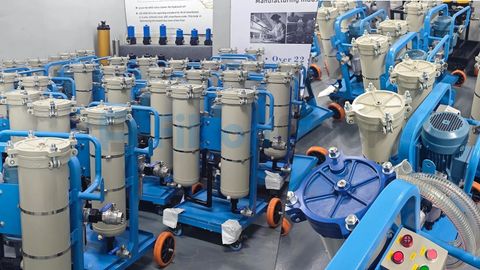
- Filtration
- Pelletizing
- Quality inspection and packaging
Different machines perform different functions. A plastic shredder reduces large items into smaller pieces, while a granulator creates more uniform flakes. Washing equipment removes dirt and other contaminants, and an industrial plastic extruder melts and filters the prepared material.
The exact equipment configuration depends on the plastic type, contamination level, required output quality, and intended application.
How Plastic Recycling Equipment Works
The recycling process normally begins with material identification and sorting. Plastics with different polymer types or colors may need to be separated because they have different physical and thermal characteristics.
After sorting, size-reduction equipment processes the material into manageable pieces. Washing systems may then use water, friction, heat, or other controlled processes to remove contaminants.
The cleaned plastic is dried before entering an extrusion system. During extrusion, controlled heat softens the polymer. The material passes through a filtration system that can remove remaining solid contaminants.
The filtered polymer can then be converted into pellets or other standardized forms. These recycled plastic materials can subsequently become feedstock for suitable manufacturing processes.
Why Plastic Recycling Machines Matter Today
Plastic waste management has become an important environmental and industrial issue. Recycling equipment helps create a technical pathway for recovering materials that might otherwise enter disposal systems.
The importance of plastic recycling machinery extends across several groups:
- Manufacturers that use recycled polymer feedstock
- Waste-management organizations handling collected plastics
- Municipal systems managing household and commercial waste
- Packaging and consumer-product industries
- Environmental regulators and policymakers
- Researchers developing circular-material systems
Modern recycling equipment also addresses a practical problem: plastic waste is rarely uniform. It can contain different polymers, colors, labels, moisture, food residues, metals, and other contaminants.
Advanced sorting and processing technologies are therefore increasingly important for producing consistent recycled materials.
The broader circular-economy approach aims to keep useful materials in circulation for longer. UNEP describes the transition from a linear “take-make-dispose” model toward systems emphasizing reuse, recycling, and repurposing.
Major Types of Plastic Recycling Machines
Plastic recycling equipment can be grouped according to the stage of processing.
Plastic Shredders
Shredders use cutting systems to reduce large plastic items into smaller pieces. They are commonly used during the initial size-reduction stage.
Plastic Granulators
Granulators produce smaller and more consistent plastic flakes. Screen size and cutting configuration influence the resulting particle size.
Plastic Washing Machines
Washing equipment removes dirt, labels, oils, residues, and other contaminants. Different washing approaches may be selected according to the material being processed.
Plastic Drying Equipment
Drying systems remove moisture before extrusion. Moisture control is particularly important for polymers that can be affected by water during thermal processing.
Plastic Extruders
Extruders melt prepared plastic under controlled temperature and pressure. Filtration systems can be integrated into the extrusion process to improve material cleanliness.
Plastic Pelletizing Machines
Pelletizing equipment converts molten polymer into small, manageable pellets. Pellet size and shape depend on the machine configuration and process conditions.
Plastic Sorting Systems
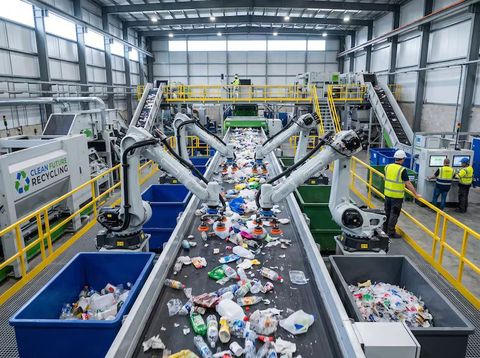
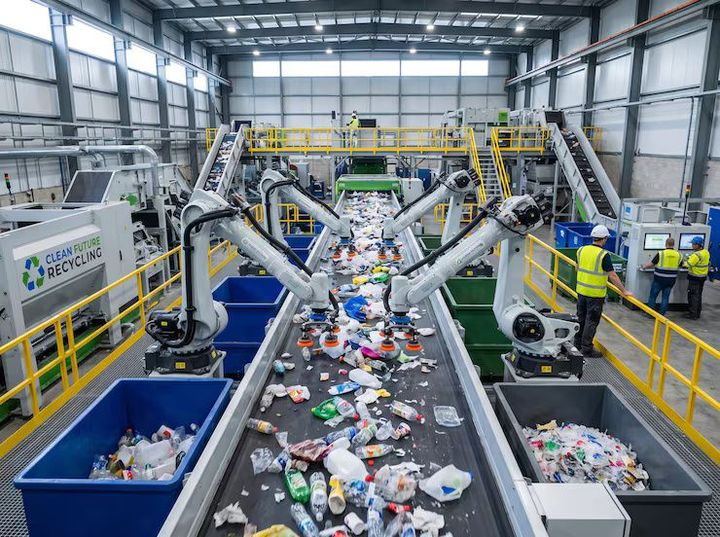
Sorting equipment separates materials according to characteristics such as polymer type, color, density, or other measurable properties. Optical and sensor-based technologies can support automated sorting.
Recent Developments in Plastic Recycling Technology
Technology development in 2025 and 2026 has increasingly focused on better material identification, improved process monitoring, automation, and more consistent recycled output.
One important development is the growing emphasis on reliable plastic-flow data. In January 2026, UNEP published statistical guidance designed to improve the measurement of plastic flows across national, regional, and global systems. Better data can help governments and industry understand where plastics enter, move through, and leave the economy.
International policy discussions have also continued. The third part of the fifth session of the UN Intergovernmental Negotiating Committee on a legally binding international instrument concerning plastic pollution took place on February 7, 2026. That session focused on organizational matters rather than substantive treaty negotiations.
Technology trends relevant to plastic recycling include:
- Automated material sorting
- Sensor-based polymer identification
- Improved washing systems
- Energy-efficient extrusion
- Advanced melt filtration
- Digital process monitoring
- Higher-quality recycled polymer production
- Greater integration of mechanical and chemical recycling research
These developments do not mean that every plastic type can be recycled economically or technically in the same way. Material design, contamination, additives, and collection systems continue to affect recycling outcomes.
Laws and Policies Affecting Plastic Recycling in India
In India, plastic waste management is governed primarily through the Plastic Waste Management Rules, 2016, and subsequent amendments. The Ministry of Environment, Forest and Climate Change maintains the relevant rules and notifications.
The framework includes responsibilities for different participants in the plastic value chain and has expanded the scope of plastic waste management beyond only municipal areas. Waste generators are also required to follow applicable segregation and handover requirements under the framework.
The Plastic Waste Management (Amendment) Rules, 2024 were notified on March 14, 2024. Among other changes, the amendment updated definitions and provisions relating to plastic materials and packaging.
Extended Producer Responsibility (EPR) is another important part of India's plastic packaging framework. EPR places defined responsibilities on relevant producers, importers, and brand owners for plastic packaging waste management.
The applicable framework also establishes recycling targets and requirements concerning recycled plastic content for specified packaging categories. The requirements vary by category and implementation year.
Because environmental regulations can change, organizations should check the latest notifications from the appropriate national and state authorities before making compliance decisions.
Tools and Resources for Plastic Recycling
People researching plastic recycling machines can use several types of tools and educational resources.
Material Identification Guides
Polymer identification references help users distinguish common plastics such as PET, HDPE, LDPE, PP, PVC, and PS.
Recycling Process Calculators
Basic calculators can estimate material throughput, moisture levels, recovery rates, and other process parameters. These should be treated as planning tools rather than substitutes for technical testing.
Machine Specification Sheets
Equipment specification templates can help compare:
- Processing capacity
- Motor power
- Feed size
- Material compatibility
- Washing requirements
- Filtration configuration
- Pellet size
- Operating temperature range
Waste-Audit Templates
A waste-audit worksheet can record material type, quantity, contamination level, source, and recovery pathway.
Regulatory Databases
Government environmental portals and official regulatory databases can help users track applicable plastic waste rules, amendments, registration requirements, and compliance information.
Educational Resources
Technical manuals, polymer-processing textbooks, environmental engineering courses, recycling research papers, and government publications can help readers understand the science behind recycling systems.
Frequently Asked Questions
What are plastic recycling machines used for?
Plastic recycling machines process discarded plastic into forms that may be suitable for subsequent material use. Depending on the system, they can shred, wash, dry, extrude, filter, and pelletize plastic.
Which plastics can be recycled using recycling machines?
Common recyclable polymers include PET, HDPE, LDPE, and PP, but suitability depends on contamination, additives, material mixing, and the intended recycling process. Not every plastic item is suitable for every machine.
What is the difference between a shredder and a granulator?
A shredder is generally used for initial size reduction of larger or bulky plastic items. A granulator typically produces smaller and more uniform plastic flakes.
Why is washing important in plastic recycling?
Washing can remove dirt, labels, residues, oils, and other contaminants. Cleaner feedstock can support more consistent downstream processing.
What is EPR in plastic waste management?
Extended Producer Responsibility is a regulatory approach that assigns defined responsibilities for managing certain products or packaging after use. In India, EPR requirements form part of the plastic packaging waste-management framework.
Conclusion
Plastic recycling machines form an important part of modern material-recovery systems. From shredding and sorting to washing, extrusion, filtration, and pelletizing, each stage has a specific role in preparing plastic for further use.