Oil Filtering Machines: Learn Modern Industrial Filtration Systems
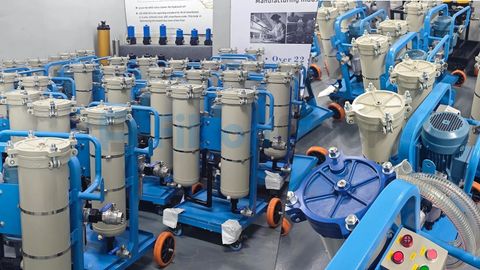
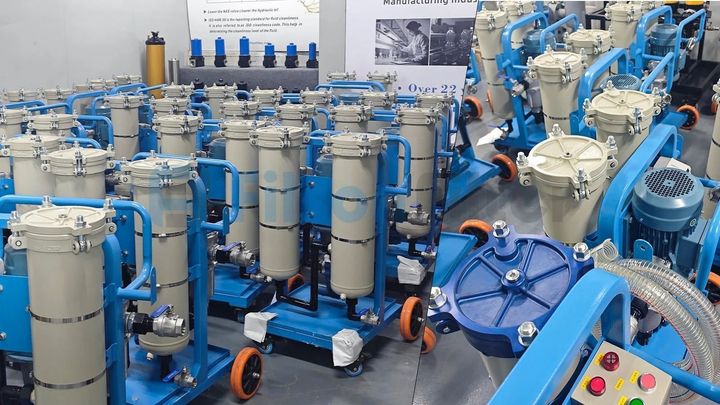
Oil filtering machines are industrial filtration systems designed to remove unwanted contaminants from oils used in machinery and production equipment. Depending on the application, these contaminants can include metal particles, dust, sludge, carbon deposits, water, and other suspended materials.
Industrial oils are used in many applications, including hydraulic systems, gearboxes, compressors, turbines, transformers, engines, pumps, and manufacturing equipment. As oil circulates through machinery, it can gradually collect contaminants. If these contaminants remain in the fluid, they may interfere with lubrication, heat transfer, hydraulic performance, or component cleanliness.
An oil filtration system provides a controlled way to separate contaminants from the fluid. Different machines use different technologies, such as mechanical filters, vacuum dehydration, centrifugal separation, magnetic filtration, or multi-stage filtration.
The basic filtration process generally involves:
- Collecting contaminated oil from a reservoir or circulation system
- Passing the oil through one or more filtration stages
- Separating solid or liquid contaminants
- Returning cleaner oil to the operating system
- Monitoring filtration performance and fluid condition
The correct filtration method depends on the oil type, contamination level, operating temperature, flow requirements, and equipment design.
Why Industrial Oil Filtration Matters
Clean oil plays an important role in industrial equipment reliability. Hydraulic oil, lubricating oil, turbine oil, gear oil, and other specialty fluids are expected to maintain specific physical and chemical properties during operation.
Contamination can affect equipment in several ways. Fine particles may contribute to abrasive wear, while water can affect lubrication and corrosion protection. Sludge and oxidation products can interfere with valves, pumps, bearings, and narrow fluid passages.
Oil filtration systems can help industries address these challenges by continuously or periodically removing unwanted materials.
Key areas affected by oil cleanliness include:
- Hydraulic system performance
- Bearing and gear lubrication
- Pump operation
- Turbine fluid cleanliness
- Compressor reliability
- Industrial automation equipment
- Transformer oil condition
- Manufacturing process consistency
Oil filtration is also connected with predictive maintenance. Instead of relying only on fixed maintenance intervals, industrial facilities can monitor fluid cleanliness and condition to determine when filtration, purification, or other maintenance activities may be appropriate.
This approach can support better maintenance planning and help reduce unnecessary fluid replacement.
Types of Oil Filtering Machines
Industrial oil filtration equipment is available in several configurations. Each technology is designed for particular contaminants and operating conditions.
Mechanical Oil Filters
Mechanical filters use filter media to capture solid particles. They are commonly used for removing dirt, metal particles, dust, and other suspended materials.
Filter ratings may be expressed in microns. A lower micron rating generally indicates the ability to capture smaller particles, although actual performance depends on filter design and operating conditions.
Vacuum Oil Purification Systems
Vacuum-based systems are designed to remove water and certain volatile contaminants from oil. They can be useful when moisture contamination is an important concern.
These systems may combine heating, vacuum treatment, and filtration to improve the condition of contaminated industrial oil.
Centrifugal Oil Cleaners
Centrifugal filtration uses rotational forces to separate heavier contaminants from oil. These systems can be useful in applications where solid particles or other dense contaminants need to be separated continuously.
Magnetic Filtration Systems
Magnetic filters use magnetic fields to capture ferrous particles suspended in oil. They are particularly relevant to machinery where metal wear particles may enter the lubrication system.
Multi-Stage Filtration Systems
Some industrial filtration systems combine multiple technologies. A system might use a coarse filter first, followed by finer filtration and moisture separation.
Multi-stage filtration can be useful when oil contains several types of contaminants.
How to Select an Industrial Oil Filtration System
Choosing an oil filtration machine requires more than looking at the filter rating. The filtration system should match the characteristics of both the oil and the equipment.
Important considerations include:
- Oil viscosity and operating temperature
- Type and concentration of contamination
- Required filtration level
- Water contamination level
- Oil flow rate
- Reservoir capacity
- Continuous or batch filtration requirements
- Filter replacement or cleaning method
- Monitoring and measurement requirements
- Compatibility with the existing hydraulic or lubrication system
Fluid analysis can provide useful information before selecting filtration equipment. Testing may identify particle contamination, moisture, viscosity changes, oxidation, and other indicators of oil condition.
Recent Developments in Industrial Oil Filtration
Industrial filtration is increasingly connected with condition monitoring and data-based maintenance. Modern systems can incorporate sensors that monitor parameters such as pressure differential, temperature, particle levels, and moisture.
Digital monitoring can help maintenance teams identify changing fluid conditions earlier than traditional visual inspection alone.
Another important trend is the integration of filtration with predictive maintenance programs. Instead of treating filtration as an isolated activity, facilities increasingly consider fluid cleanliness alongside vibration monitoring, temperature measurements, oil analysis, and equipment operating data.
During 2025–2026, environmental management of used oil has also remained an important regulatory topic. In India, Extended Producer Responsibility requirements for used oil introduced under amendments to the Hazardous and Other Wastes framework began applying from April 1, 2024, with recycling targets increasing over subsequent years. The notified target for 2026–27 is 20% of the relevant reference-year base oil or lubricating oil quantity.
In the United States, EPA guidance updated in 2026 continues to emphasize appropriate management, storage, transportation, processing, and recycling practices for used oil. EPA's current regulatory framework places used-oil management under 40 CFR Part 279.
These developments highlight a broader movement toward better fluid management, contamination control, recycling, and environmental responsibility.
Laws, Regulations, and Environmental Policies
Oil filtration equipment itself may not be regulated in exactly the same way in every country. Requirements often depend on the oil being processed, the type of facility, waste classification, emissions, storage arrangements, and what happens to the recovered material.
In India, the Used Oil Extended Producer Responsibility framework is particularly relevant to organizations involved with used lubricating oil. The 2023 amendment established an EPR framework that came into force on April 1, 2024. It includes recycling obligations for producers and specific requirements concerning used-oil management.
In the United States, businesses managing used oil must consider federal requirements under RCRA and 40 CFR Part 279, along with potentially stricter state requirements. EPA guidance addresses storage, spill prevention, recordkeeping, transportation, processing, and recycling.
Facilities should therefore review the regulations applicable to their location and industrial process before handling, processing, storing, transporting, or disposing of used oil.
Tools and Resources for Oil Filtration Management
Several practical tools can support an industrial oil filtration program.
Oil Analysis Reports
Laboratory or field analysis can measure properties such as viscosity, particle contamination, water content, oxidation indicators, and wear metals.
Particle Counters
Particle-counting instruments can help determine the cleanliness level of hydraulic and lubrication fluids.
Micron Rating Charts
Filtration reference charts can help users understand filter ratings and particle-size relationships.
Differential Pressure Gauges
These instruments monitor pressure differences across a filter. An increasing differential pressure can indicate that the filter element is becoming restricted.
Moisture Measurement Instruments
Water contamination can be monitored using suitable moisture sensors or laboratory testing methods.
Maintenance Checklists
A filtration maintenance checklist can include filter condition, pressure readings, fluid appearance, operating temperature, contamination observations, and inspection dates.
Filtration Performance Records
Maintaining historical filtration and oil-analysis data can help identify recurring contamination patterns and support predictive maintenance decisions.
Common Oil Filtration Problems
Even a properly designed filtration system can perform poorly if it is incorrectly operated or maintained.
Common problems include selecting an unsuitable filter rating, using incompatible filter media, operating outside the intended temperature range, allowing water contamination to continue, or failing to monitor pressure changes.
Another issue is filtration that is too aggressive for a particular application. Some oils contain additives that are important for performance, so filtration methods should be evaluated for compatibility with the specific fluid.
Contamination should also be investigated at its source. Repeated contamination may indicate worn components, poor storage practices, damaged seals, moisture ingress, or environmental exposure.
Filtration addresses contaminants, but identifying why contamination occurs is equally important for long-term equipment management.
Frequently Asked Questions
What is an oil filtering machine?
An oil filtering machine is equipment designed to remove contaminants from industrial oil. Depending on its design, it may remove solid particles, moisture, sludge, metal particles, or other unwanted materials.
What contaminants can oil filtration remove?
Different systems target different contaminants. Mechanical filters commonly remove suspended particles, while specialized systems can address water, magnetic metal particles, or other contaminants.
How often should industrial oil be filtered?
There is no single schedule for every application. Filtration frequency depends on oil condition, equipment type, contamination levels, operating conditions, and the manufacturer's maintenance requirements. Oil analysis can help establish an appropriate maintenance interval.
Can filtration remove water from oil?
Some filtration systems are specifically designed for water separation or dehydration. Standard particulate filters, however, may not remove dissolved or emulsified water effectively.
Why is oil analysis useful with filtration systems?
Oil analysis provides information about contamination and fluid condition. Combining analysis with filtration monitoring can help identify contamination trends and support condition-based maintenance.
Conclusion
Oil filtering machines are an important part of modern industrial fluid management. By removing unwanted particles, moisture, sludge, and other contaminants, appropriate filtration systems can help maintain oil cleanliness and support reliable operation of hydraulic, lubrication, turbine, gearbox, compressor, and other industrial systems.