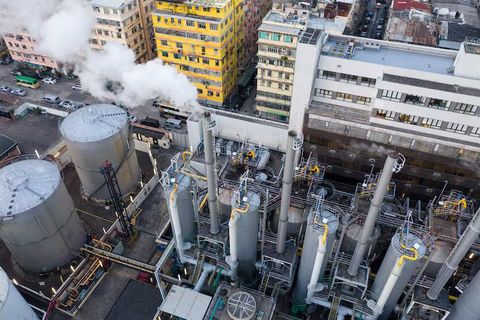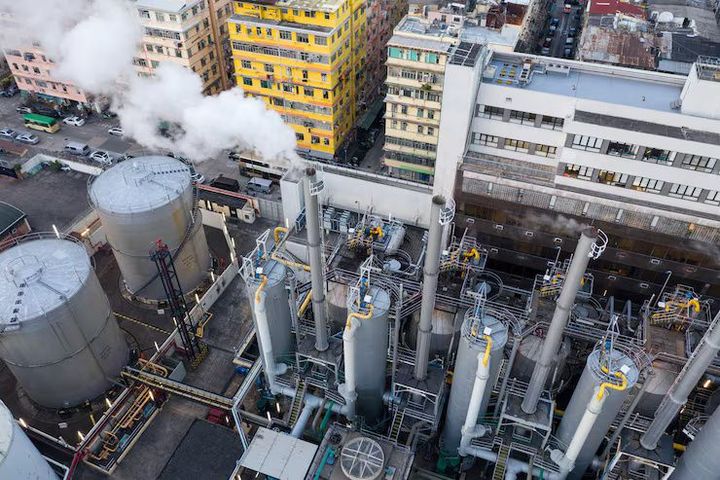
Industrial Process Plants for Efficient Industrial Growth
Industrial process plants are specialized facilities designed to transform raw materials, chemicals, energy resources, or other inputs into finished or intermediate products. They are widely used across industries such as chemicals, pharmaceuticals, food processing, energy, metals, plastics, water treatment, and advanced manufacturing.
Unlike a simple production area, a process plant normally contains several connected systems. These may include processing equipment, storage units, pumps, pipelines, heat exchangers, control systems, electrical equipment, and safety infrastructure.
The main purpose of an industrial process plant is to create a controlled environment where production activities can take place repeatedly and efficiently. Different processes require different plant layouts and equipment combinations.
A typical industrial process plant may include:
- Raw material handling and storage systems
- Processing and reaction equipment
- Industrial pumps and compressors
- Heat exchangers and cooling equipment
- Piping and fluid-control systems
- Electrical and power distribution equipment
- Industrial automation and control systems
- Quality monitoring and laboratory equipment
- Waste management and emission-control systems
- Fire protection and emergency systems
Plant design begins with an understanding of the production process. Engineers study material flows, energy requirements, equipment capacity, environmental considerations, and operational risks before developing the overall plant arrangement.
Why Industrial Process Plants Matter Today
Modern industrial process plants play an important role in maintaining reliable production and supporting industrial development. They help manufacturers manage complex processes in a structured environment while improving consistency and operational control.
The importance of process plants has increased as industries face growing requirements for energy efficiency, automation, environmental management, product quality, and resource utilization.
Several groups are affected by the development and operation of these facilities, including manufacturers, engineers, plant operators, regulators, local communities, and industries that depend on processed materials.
Industrial process plants can address several practical challenges:
- Maintaining consistent production conditions
- Managing large-scale material flows
- Improving process monitoring
- Reducing unnecessary energy consumption
- Supporting automated production controls
- Managing industrial emissions and waste
- Improving workplace safety
- Maintaining product quality
- Integrating renewable or lower-carbon energy sources
Automation is now an important part of many process plants. Programmable logic controllers, distributed control systems, industrial sensors, and supervisory monitoring platforms can collect operational information and help operators identify changes in temperature, pressure, flow, vibration, or other process conditions.
Energy management is another major consideration. Industrial facilities often use significant amounts of electricity, steam, fuel, compressed air, or cooling water. Better process design can help identify areas where energy use can be reduced without compromising production requirements.
Common Types of Industrial Process Plants
Process plants vary considerably according to their purpose and feedstock.
| Plant Type | Typical Application | Major Systems |
|---|---|---|
| Chemical Plant | Chemical processing | Reactors, pumps, heat exchangers |
| Food Processing Plant | Food production | Mixers, dryers, conveyors |
| Pharmaceutical Plant | Medicine manufacturing | Controlled processing equipment |
| Power Plant | Electricity generation | Turbines, boilers, generators |
| Water Treatment Plant | Water purification | Filters, pumps, treatment units |
| Metal Processing Plant | Metal production | Furnaces, rolling and processing systems |
| Petrochemical Plant | Hydrocarbon processing | Distillation, separation, storage |
| Recycling Plant | Material recovery | Sorting, shredding, separation |
The equipment used in each facility depends on the process, production scale, raw materials, required output, and applicable safety requirements.
Recent Industrial Process Plant Trends
During 2025 and 2026, industrial process plant development has continued to focus on automation, energy efficiency, digital monitoring, electrification, and environmental performance. The pace and implementation of these developments vary by industry and country.
Industrial Automation and Digital Monitoring
Industrial automation continues to expand through sensors, programmable controls, industrial networks, and data-analysis platforms. Plants increasingly use real-time information to monitor equipment and production conditions.
Digital monitoring can help operators identify unusual operating patterns earlier. Historical data can also support maintenance planning and process analysis.
Artificial Intelligence in Industrial Operations
Artificial intelligence and machine-learning technologies are increasingly being explored for industrial applications. Potential uses include predictive maintenance, process optimization, quality monitoring, anomaly detection, and production forecasting.
These systems generally work alongside existing control infrastructure rather than replacing every conventional control method.
Energy Efficiency and Electrification
Energy-intensive industries are examining more efficient motors, variable-frequency drives, heat recovery systems, improved insulation, and electrified process equipment.
Industrial heat pumps and other energy-management technologies are also receiving greater attention where their technical characteristics fit the process.
Lower-Carbon Industrial Production
Industrial organizations are increasingly examining renewable electricity, hydrogen-related technologies, carbon-management approaches, and improved material efficiency.
The suitability of each approach depends on the industry, available infrastructure, process temperature, energy requirements, and national policies.
Connected Equipment and Industrial IoT
Industrial Internet of Things technology connects sensors and equipment to monitoring systems. This can create a larger flow of operational data across production areas.
Connected equipment can support condition monitoring, asset tracking, energy analysis, and process documentation when appropriately implemented.
Laws, Regulations, and Industrial Policies
Industrial process plants are affected by multiple regulatory areas. Exact requirements differ according to the country, industry, plant size, location, and materials being processed.
Environmental regulations commonly address air emissions, wastewater, hazardous materials, industrial waste, and resource use. Facilities may need environmental assessments or permits before certain types of industrial development can proceed.
Occupational safety rules can cover:
- Machinery protection
- Electrical safety
- Pressure equipment
- Chemical handling
- Fire protection
- Personal protective equipment
- Emergency procedures
- Workplace exposure limits
Facilities that handle hazardous substances may also be subject to chemical storage, transportation, emergency planning, and accident-prevention requirements.
Energy-related policies are also becoming increasingly relevant. Governments in many regions are establishing frameworks for energy efficiency, renewable energy integration, emissions reduction, and industrial decarbonization.
For international projects, engineers and plant owners may need to consider both national requirements and recognized technical standards. Standards can address equipment design, electrical systems, pressure vessels, process safety, instrumentation, and quality management.
Because regulations change over time, plant operators should verify current requirements with the relevant government authority and qualified technical professionals before making compliance decisions.
Tools and Resources for Industrial Process Plants
A wide range of technical tools can help engineers, operators, students, and researchers understand and manage process plants.
Process Simulation Tools
Process simulation software can model material flows, heat balances, chemical reactions, separation processes, and equipment performance. These tools are useful during process development and engineering analysis.
Computer-Aided Plant Design
Computer-aided design platforms help create plant layouts, piping arrangements, equipment drawings, and engineering documentation.
Energy Calculators
Energy and efficiency calculators can estimate electricity, fuel, steam, compressed-air, or thermal requirements. They can help identify areas for further engineering analysis.
Maintenance Planning Templates
Maintenance templates can organize inspection schedules, equipment records, spare-part information, operating observations, and maintenance history.
Industrial Monitoring Platforms
Monitoring platforms can collect information from sensors and control equipment. Common measurements include:
- Temperature
- Pressure
- Flow rate
- Level
- Vibration
- Energy consumption
- Equipment operating hours
Learning Resources
Students and professionals can use technical textbooks, engineering databases, standards documentation, educational courses, process diagrams, safety manuals, and industrial case studies to improve their understanding of process plant design and operation.
Frequently Asked Questions
What is an industrial process plant?
An industrial process plant is a facility where raw materials or inputs are processed through connected equipment and controlled operations to produce finished or intermediate materials.
What equipment is commonly used in process plants?
Common equipment includes pumps, compressors, reactors, tanks, heat exchangers, boilers, turbines, filters, conveyors, valves, pipelines, sensors, and industrial control systems.
How does automation help an industrial process plant?
Automation can monitor process conditions, control equipment, collect operational data, and help operators maintain consistent operating parameters.
Why is energy efficiency important in process plants?
Many industrial processes require substantial amounts of electricity or thermal energy. Improving energy efficiency can reduce resource consumption and support more sustainable plant operation.
What regulations apply to industrial process plants?
Requirements vary by country and industry. They can include environmental protection, occupational safety, hazardous-material management, emissions, wastewater, electrical safety, and pressure-equipment regulations.
Conclusion
Industrial process plants are an important part of modern manufacturing and infrastructure. They combine processing equipment, utilities, automation, material handling, monitoring, and safety systems into an integrated production environment.