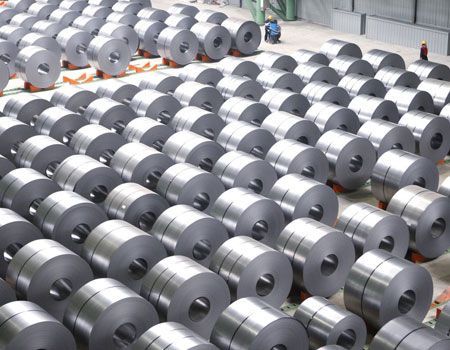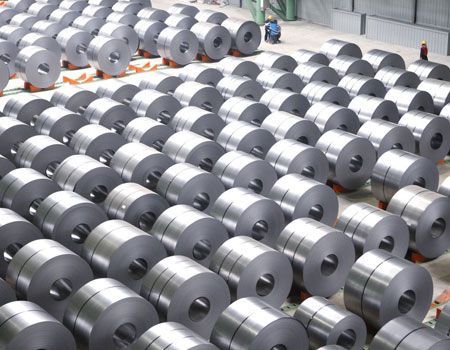
Industrial Hastelloy C22 Sheet: Properties, Benefits & Applications
Industrial Hastelloy C22 sheet is a flat, corrosion-resistant material made from a nickel-chromium-molybdenum alloy. It is identified by UNS N06022 and is designed for demanding environments where ordinary metals may experience corrosion or deterioration.
The alloy contains significant amounts of nickel, chromium, molybdenum, and tungsten. Its chemical composition helps it withstand several aggressive chemical environments. ASTM B575 specifically includes UNS N06022 among the low-carbon nickel-chromium-molybdenum alloys covered for plate, sheet, and strip applications.
Hastelloy C22 sheet can be produced in different thicknesses and dimensions depending on the intended application. ASTM B575 describes sheet and strip as hot- or cold-rolled products that are solution annealed and descaled, subject to the standard's requirements.
The material exists because industrial equipment often operates around acids, chlorides, oxidizing chemicals, and other aggressive substances. In these environments, selecting an appropriate alloy can be important for maintaining equipment integrity and reducing corrosion-related problems.
Key Properties of Hastelloy C22 Sheet
The performance of Hastelloy C22 comes from its carefully controlled alloy composition. Chromium contributes to resistance against oxidizing conditions, while molybdenum and tungsten support resistance in several localized and reducing corrosion environments.
Important properties include:
- High corrosion resistance: Suitable for many aggressive chemical environments.
- Resistance to pitting: The alloy is designed to resist localized corrosion in challenging conditions.
- Resistance to crevice corrosion: Its composition can help reduce corrosion in restricted or stagnant areas.
- Oxidizing-environment resistance: Chromium contributes to performance in oxidizing media.
- Chemical stability: The alloy is widely considered for chemical-processing equipment exposed to corrosive substances.
- Good mechanical strength: Mechanical properties depend on thickness, processing, temperature, and applicable specifications.
- Fabrication capability: Properly processed C22 can be formed and fabricated for industrial components.
ASTM B575 establishes requirements covering chemical composition and mechanical properties such as tensile strength, yield strength, elongation, and hardness for applicable alloys and product forms.
Typical Chemical Composition
A simplified view of the principal alloying elements is useful for understanding why C22 behaves differently from ordinary steel.
| Element | General role in C22 |
|---|---|
| Nickel | Provides the primary corrosion-resistant alloy matrix |
| Chromium | Supports resistance to oxidizing environments |
| Molybdenum | Improves resistance to localized and reducing corrosion |
| Tungsten | Contributes to corrosion resistance |
| Iron | Present in a controlled amount |
| Carbon | Kept low to support corrosion performance |
The exact chemical limits should always be checked against the applicable material specification rather than relying on general composition summaries. ASTM B575 lists specific composition requirements for UNS N06022.
Why Hastelloy C22 Sheet Matters Today
Industrial processes are increasingly designed around controlled chemical reactions, higher operating demands, environmental management, and longer equipment lifecycles. These conditions can expose components to difficult combinations of temperature, pressure, moisture, acids, and chlorides.
Hastelloy C22 sheet is therefore relevant to industries where corrosion resistance is an important engineering consideration.
It can help address problems such as:
- Material degradation caused by aggressive chemicals
- Localized pitting
- Crevice corrosion
- Contamination caused by corrosion products
- Frequent replacement of exposed components
- Equipment reliability concerns in chemical environments
The alloy is particularly associated with chemical processing and pollution-control equipment, although the correct material depends on the specific chemical environment and operating conditions.
Material selection should not be based on alloy name alone. Chemical concentration, temperature, pressure, exposure time, fabrication method, and the presence of contaminants can all affect corrosion performance.
Industrial Applications of Hastelloy C22 Sheet
Hastelloy C22 sheet is used in various industrial equipment and components where corrosion resistance is important.
Common application areas include:
Chemical Processing Equipment
Chemical plants may use corrosion-resistant nickel alloys for components exposed to aggressive process chemicals. C22 can be considered for equipment such as process vessels, liners, piping components, and fabricated parts when the operating environment is appropriate.
Pollution Control Equipment
Industrial emission-control systems can encounter corrosive gases, condensates, and chemical mixtures. Corrosion-resistant alloys may be used in selected components where conventional materials are unsuitable.
Pharmaceutical Processing
Certain pharmaceutical processes require carefully controlled equipment environments. Corrosion-resistant materials can help maintain equipment integrity where cleaning chemicals and process media are aggressive.
Waste Treatment Systems
Waste treatment processes can involve complex chemical mixtures. Hastelloy C22 may be considered for components exposed to corrosive liquids or vapors.
Power and Energy Equipment
Some energy-related processes involve high-temperature or chemically aggressive environments. The appropriate alloy depends on the exact operating conditions and engineering requirements.
Chemical Storage and Handling
Where aggressive chemicals are handled, corrosion-resistant sheet materials may be incorporated into fabricated equipment, liners, or other components.
Recent Trends and Developments
During 2025–2026, industrial material selection has continued to focus on corrosion management, equipment reliability, process efficiency, and compliance with recognized material standards.
One important development is the continued use of established international specifications rather than relying only on commercial alloy names. ASTM B575 remains an active specification, with the current listed version B575-17R23, covering several low-carbon nickel-chromium-molybdenum alloy products, including UNS N06022.
Another trend is greater attention to traceability and material verification. Industrial users increasingly need documentation showing chemical composition, mechanical properties, dimensions, heat treatment, and applicable testing.
Digital material databases and engineering software are also making it easier for engineers to compare corrosion-resistant alloys according to temperature, chemical exposure, mechanical requirements, and fabrication conditions.
However, a general trend should not be interpreted as evidence that C22 is suitable for every corrosive application. Laboratory testing, corrosion data, engineering calculations, and applicable standards may be necessary for critical equipment.
Standards, Laws, and Policies
Hastelloy C22 sheet is commonly specified through recognized material standards. ASTM B575 is particularly relevant because it covers plate, sheet, and strip made from several low-carbon nickel-based corrosion-resistant alloys, including UNS N06022. The specification addresses chemical composition, mechanical properties, dimensions, and related requirements.
In India, industrial material requirements can also interact with national standards, environmental rules, workplace safety requirements, and sector-specific regulations. The Bureau of Indian Standards maintains India's framework of standards and conformity-assessment regulations. BIS notes that certification is generally voluntary unless the Central Government makes compliance compulsory for particular products through applicable regulatory measures.
For Hastelloy C22 specifically, users should determine whether a particular application is governed by an applicable Indian Standard, mandatory Quality Control Order, pressure-equipment framework, environmental requirement, or another sector-specific regulation.
For international projects, additional requirements may apply depending on the destination country, industry, equipment category, and governing engineering code.
Tools and Resources for Material Selection
Several general resources can help engineers, students, purchasing teams, and technical researchers understand Hastelloy C22 sheet.
Useful resources include:
- Material specification databases for checking UNS and ASTM designations
- Chemical compatibility charts for preliminary corrosion assessment
- Unit-conversion calculators for thickness, pressure, temperature, and dimensions
- Engineering calculation tools for preliminary design checks
- Material test reports for confirming supplied material characteristics
- Corrosion-rate references for comparing performance in specific environments
- CAD software for developing sheet-metal component designs
- Welding procedure documentation for fabrication planning
- Technical datasheets for checking mechanical and physical properties
- Standards databases for reviewing current specifications and revisions
A material datasheet should be treated as a starting point rather than a complete engineering assessment. Critical applications may require detailed corrosion testing and professional engineering review.
Factors to Consider When Selecting C22 Sheet
Before specifying Hastelloy C22 sheet, several factors should be evaluated.
Chemical Environment: Identify the chemicals, concentration, pH, contaminants, and exposure conditions.
Operating Temperature: Corrosion behavior can change significantly as temperature increases.
Mechanical Requirements: Consider tensile strength, yield strength, forming requirements, and thickness.
Fabrication Method: Cutting, forming, welding, machining, and heat treatment can influence final component performance.
Surface Condition: Surface finish and cleanliness can matter in chemical, pharmaceutical, and other controlled applications.
Applicable Standard: Confirm the required ASTM, ASME, EN, or other specification before final material selection.
Traceability: For critical applications, documentation of heat number, chemical composition, mechanical testing, and inspection can be important.
Frequently Asked Questions
What is Hastelloy C22 sheet?
Hastelloy C22 sheet is a flat nickel-chromium-molybdenum alloy product identified as UNS N06022. It is designed for demanding corrosion-resistant applications.
What standard covers Hastelloy C22 sheet?
ASTM B575 covers plate, sheet, and strip of several low-carbon nickel-based alloys, including UNS N06022. The specification includes requirements related to chemical composition and mechanical properties.
Where is Hastelloy C22 sheet commonly used?
It is associated with chemical processing, pollution-control equipment, waste treatment, pharmaceutical processing, and other applications involving aggressive environments.
Is Hastelloy C22 suitable for every chemical environment?
No. Corrosion resistance depends on the chemical composition, concentration, temperature, pressure, contaminants, and exposure conditions. Specific compatibility should be evaluated before application.
How should C22 sheet specifications be checked?
Check the applicable material standard, UNS designation, thickness and dimensions, heat-treatment condition, chemical composition, mechanical requirements, testing requirements, and material documentation.
Conclusion
Industrial Hastelloy C22 sheet is an important nickel-based material for applications where corrosion resistance is a major engineering requirement. Its combination of nickel, chromium, molybdenum, and tungsten provides a useful balance for demanding chemical environments.