Adventure Cruises: Exploring Unique Destinations Around the World
Adventure cruises are a form of travel that combines ocean journeys with exploration, outdoor activities, and visits to unusual destinations. Unlike traditional cruises that mainly focus on onboard entertainment and popular coastal cities, adventure cruises often travel to remote islands, polar regions, wildlife habitats, and less-developed coastal areas.
These journeys are designed for travelers who want to experience natural environments more closely. Depending on the destination and itinerary, activities may include kayaking, snorkeling, hiking, wildlife observation, photography, and guided coastal exploration.
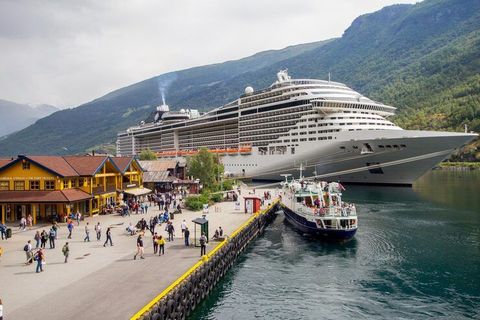
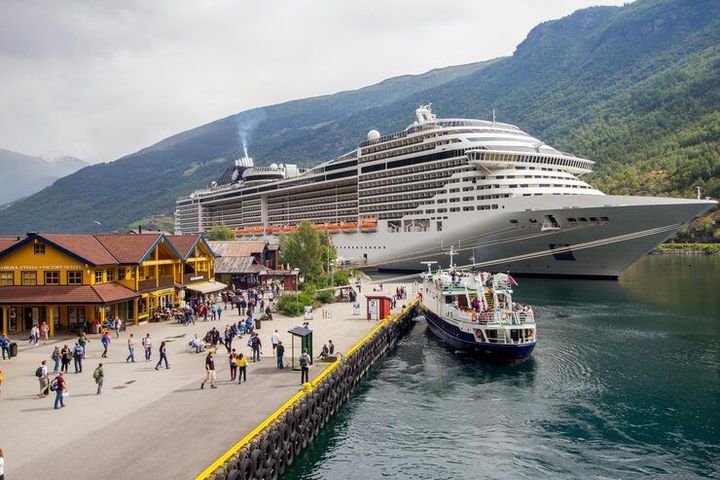
Adventure cruises operate in several regions, including Antarctica, the Arctic, Alaska, the Galápagos Islands, the Norwegian fjords, and tropical areas of Southeast Asia. Each destination offers different landscapes, wildlife, weather conditions, and cultural experiences.
The concept developed from expedition-style sea travel, where ships were used to explore distant regions that were difficult to reach by land. Over time, improvements in navigation, communication, ship design, and environmental monitoring helped make organized exploration journeys more accessible.
Today, adventure cruises attract nature enthusiasts, photographers, families, researchers, and travelers interested in geography and outdoor activities. Their main purpose is to connect visitors with distinctive destinations while encouraging an understanding of natural environments.
Importance of Adventure Cruises in Modern Travel
Adventure cruises have become an important part of nature-based tourism because they provide access to destinations that may be difficult to explore through ordinary travel arrangements.
They also introduce travelers to different ecosystems, geographical features, and local traditions.
Access to Remote Destinations
Some of the world's most interesting natural locations are situated far from major cities and transportation networks. Small expedition vessels can reach selected coastal areas and islands that larger ships cannot easily access.
Examples include:
Remote Arctic settlements and coastal landscapes.
Antarctic shorelines and wildlife observation areas.
Small islands in the Pacific Ocean.
Isolated bays and fjords in northern Europe.
Tropical coastlines with coral reefs and mangrove forests.
Access depends on local regulations, weather, vessel capabilities, and environmental restrictions.
Wildlife and Nature Exploration
Wildlife observation is one of the main reasons travelers choose expedition cruises. Depending on the region and season, visitors may observe whales, dolphins, penguins, seals, seabirds, sea turtles, and other animals.
Guided exploration can also help travelers understand migration patterns, feeding behavior, marine biodiversity, and the importance of protecting natural habitats.
Cultural Learning
Adventure cruises sometimes visit coastal communities and remote settlements. These visits can introduce travelers to local food traditions, traditional activities, regional history, and community lifestyles.
Respectful interaction is important, particularly when visiting Indigenous communities. Local guidance and cultural rules should always be followed.
Educational Experiences
Many expedition journeys include naturalists, historians, marine specialists, or other knowledgeable guides.
Travelers may learn about:
Ocean currents and marine ecosystems.
Glaciers and polar environments.
Coastal geology and island formation.
Marine conservation and biodiversity.
Climate patterns and environmental changes.
These educational activities make adventure cruises relevant to students, researchers, photographers, and people interested in geography.
Economic and Environmental Considerations
Responsible expedition tourism can support local economic activity through accommodation, transport, food production, guiding, and regional transportation.
However, ships can also produce emissions, underwater noise, waste, and pressure on sensitive habitats. Responsible planning is therefore important for balancing tourism activities with environmental protection.
Popular Adventure Cruise Destinations Around the World
Different destinations provide different types of exploration. The following table highlights several well-known regions.
Destination | Main attraction | Popular activities |
|---|---|---|
Antarctica | Ice landscapes and penguins | Wildlife observation, photography |
Arctic | Glaciers and polar wildlife | Hiking, guided exploration |
Alaska | Fjords and mountain scenery | Kayaking, wildlife watching |
Galápagos Islands | Unique island ecosystems | Snorkeling, nature walks |
Norwegian Fjords | Mountains and coastal villages | Hiking, scenic exploration |
Southeast Asia | Tropical islands and reefs | Snorkeling, kayaking |
The best destination depends on travel interests, seasonal conditions, physical ability, and environmental restrictions.
Recent Updates and Trends in Adventure Cruises
The adventure cruise industry continues to change as travelers show greater interest in nature, environmental awareness, and destinations with distinctive geographical features. Developments during 2025 and 2026 have focused on environmental protection, vessel technology, passenger safety, and responsible tourism.
Growing Interest in Expedition Travel
During 2025 and 2026, interest in expedition-style travel has remained an important trend in the cruise industry. Travelers are increasingly interested in destinations that provide opportunities for wildlife observation, outdoor activities, and cultural learning.
Popular areas include Antarctica, Greenland, Alaska, the South Pacific, and remote island destinations.
Smaller expedition vessels are particularly relevant because their size and design can allow access to selected locations that are unsuitable for larger passenger ships.
Improved Environmental Technology
Cruise operators are increasingly examining technologies that can reduce emissions and improve fuel efficiency.
Developments include:
Engines designed to use different fuel types.
Improved energy management systems.
Shore power connections at suitable ports.
Better wastewater treatment equipment.
Systems for monitoring fuel consumption and emissions.
A cruise industry environmental report published on September 10, 2025, highlighted progress in alternative fuels, fuel-flexible engines, and operational efficiency. These developments indicate growing attention to environmental performance across the industry.
Increased Focus on Polar Exploration
Antarctica and the Arctic remain important destinations for expedition travel. However, their sensitive environments require careful visitor management.
In 2025, the Antarctic Treaty Consultative Meeting adopted Resolution 4, updating the General Guidelines for Visitors to Antarctica. The guidance emphasizes protecting the environment and minimizing the impact of tourism activities.
Better Navigation and Passenger Safety
Modern expedition vessels use satellite communication, digital navigation, weather monitoring, and emergency communication equipment.
These technologies help crews evaluate changing sea conditions and plan routes more carefully. However, remote destinations can still present challenges because emergency assistance may take longer to reach isolated locations.
Environmental Monitoring and Responsible Tourism
Environmental monitoring is becoming an important part of expedition planning. Operators increasingly need to consider wildlife protection, waste management, fuel efficiency, and the effects of visitors on sensitive coastal areas.
Travelers are also showing greater awareness of responsible wildlife observation and low-impact outdoor activities.
Laws and Policies Affecting Adventure Cruises
Adventure cruises operate across international waters and different national jurisdictions. Therefore, the applicable rules depend on the vessel, destination, departure port, and countries included in the itinerary.
International Maritime Safety Rules
The International Maritime Organization (IMO) establishes international maritime safety and environmental standards.
The International Code for Ships Operating in Polar Waters, commonly known as the Polar Code, applies to covered vessels operating in Arctic and Antarctic waters.
It addresses several important areas:
Ship construction and equipment.
Navigation and voyage planning.
Crew training and qualifications.
Emergency preparedness.
Pollution prevention.
Passenger and crew safety.
The Polar Code became effective on January 1, 2017, and forms an important framework for polar expedition operations.
Antarctic Tourism Guidelines
Tourism activities in Antarctica are governed by the Antarctic Treaty framework and related environmental rules.
Expedition organizers and visitors are expected to follow guidance designed to protect wildlife, vegetation, scientific research areas, and natural landscapes.
Important practices include:
Maintaining appropriate distances from wildlife.
Avoiding disturbance to nesting animals.
Following approved landing arrangements.
Preventing waste and pollution.
Respecting protected areas and research stations.
The updated visitor guidelines adopted in 2025 reinforce these environmental responsibilities.
European Maritime Emissions Regulations
The European Union has extended its Emissions Trading System (EU ETS) to maritime transport.
Since 2024, covered passenger and cargo ships of 5,000 gross tonnage or above have been included when calling at European Economic Area ports, regardless of their flag.
An important development took effect in January 2026, when methane and nitrous oxide were added to the maritime EU ETS alongside carbon dioxide.
These regulations encourage shipping companies to monitor emissions and improve environmental performance.
National Travel and Environmental Requirements
Individual countries may establish additional requirements for cruise ships and visitors. These can include:
Passenger entry and immigration regulations.
National park permits and protected-area rules.
Wildlife observation restrictions.
Marine pollution prevention requirements.
Local port and vessel safety regulations.
Travelers should understand the destination's entry requirements and environmental guidelines before departure.
Tools and Resources for Planning Adventure Cruises
Good preparation helps travelers choose suitable destinations and understand the conditions they may encounter. Several general tools and resources can support the planning process.
Travel Planning Tools
Travel planning applications and digital calendars can help organize departure dates, connecting transportation, accommodation, and daily activities.
Useful planning features include:
Itinerary organization.
Travel document reminders.
Destination information.
Activity schedules.
Emergency contact storage.
Weather and Ocean Monitoring Tools
Weather applications and marine forecasting platforms provide information about temperature, wind, rainfall, waves, and changing sea conditions.
These tools are particularly useful when preparing for destinations such as Antarctica, Alaska, and the Arctic.
Maps and Navigation Resources
Digital maps and navigation applications help travelers understand geographical locations, coastal routes, nearby islands, and port destinations.
Offline maps can also be helpful in remote regions where internet connectivity is limited.
Wildlife and Environmental Learning Resources
Nature guides, wildlife identification applications, marine biology learning materials, and conservation publications help travelers understand local ecosystems.
These resources can provide useful information about:
Marine mammals and seabirds.
Coral reef ecosystems.
Polar wildlife.
Coastal vegetation.
Endangered species and conservation practices.
Health and Safety Preparation
Travelers should review medical guidance, physical activity requirements, emergency procedures, and travel insurance arrangements.
A useful preparation checklist includes:
Preparation area | Important details |
|---|---|
Documents | Passport, permits, travel documents |
Clothing | Weather-appropriate layers |
Health | Personal medication and medical guidance |
Equipment | Suitable footwear and outdoor clothing |
Safety | Emergency contacts and evacuation information |
Environment | Wildlife and visitor guidelines |
Frequently Asked Questions About Adventure Cruises
1. What Is an Adventure Cruise?
An adventure cruise is a sea journey focused on exploring natural environments, remote destinations, and wildlife habitats. Activities may include kayaking, hiking, snorkeling, and guided nature observation.
2. Which Destinations Are Popular for Adventure Cruises?
Popular destinations include Antarctica, the Arctic, Alaska, the Galápagos Islands, Norway, and Southeast Asian islands. Each region provides different landscapes, wildlife, and outdoor experiences.
3. What Is the Best Time to Take an Adventure Cruise?
The ideal season depends on the destination. Antarctic expeditions generally operate during the Southern Hemisphere summer, from approximately November to March. Arctic journeys are commonly planned during the northern summer, although schedules vary by region.
4. Are Adventure Cruises Suitable for Families?
Some adventure cruises accommodate families, but suitability depends on the vessel, itinerary, passenger age requirements, and planned activities. Families should review physical activity levels and safety arrangements before selecting a journey.
5. How Can Travelers Reduce Their Environmental Impact?
Travelers can follow wildlife protection guidelines, avoid disturbing natural habitats, minimize waste, respect local communities, and choose operators that demonstrate responsible environmental practices.
Conclusion
Adventure cruises provide opportunities to explore remarkable destinations through ocean journeys, wildlife observation, outdoor activities, and cultural learning. From Antarctic ice landscapes to tropical island ecosystems, each destination offers a different perspective on the natural world.