Guide to Oil-Cooled vs Dry-Type Transformers: Cost, Lifespan & Industrial Use Cases
Transformers are essential components in electrical systems, used to step voltage up or down for safe and efficient power distribution. Whether in industrial plants, commercial buildings, or utility networks, choosing the right type of transformer directly impacts performance, safety, maintenance, and long-term costs. Two of the most commonly used transformer types are oil-cooled transformers and dry-type transformers. While both serve the same basic function, they differ significantly in design, cooling methods, installation requirements, and use cases.
What is an Oil-Cooled Transformer?
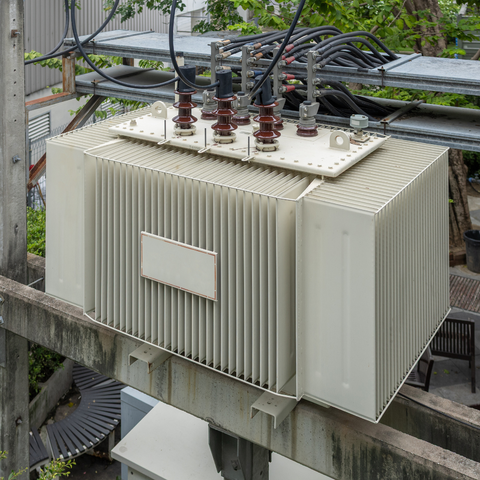
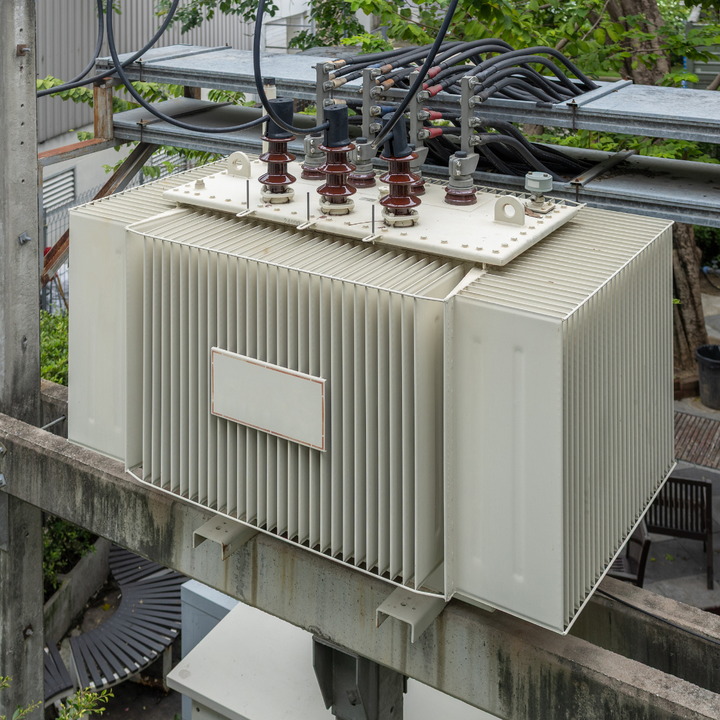
Oil-cooled transformers use insulating oil as a cooling and insulating medium. The oil absorbs heat generated during operation and dissipates it through radiators or cooling fins.
These are commonly used in:
-
Power generation and transmission systems
-
Heavy industrial environments
-
Outdoor installations
What is a Dry-Type Transformer?
Dry-type transformers use air or solid insulation materials instead of liquid. Cooling is achieved through natural air circulation or forced ventilation.
These are typically used in:
-
Commercial buildings
-
Indoor installations
-
Environments where fire safety is critical
Key Differences at a Glance
| Feature | Oil-Cooled Transformers | Dry-Type Transformers |
|---|---|---|
| Cooling Method | Insulating oil | Air or resin insulation |
| Installation | Mostly outdoor | Mostly indoor |
| Fire Risk | Higher (flammable oil) | Lower |
| Maintenance | Regular oil checks required | Minimal maintenance |
| Efficiency | Higher for heavy loads | Moderate |
| Initial Cost | Lower | Higher |
| Lifespan | Longer (with maintenance) | Slightly shorter |
Benefits of Oil-Cooled Transformers
1. Better Cooling Efficiency
Oil has excellent heat dissipation properties, making these transformers suitable for high-load and continuous operations.
2. Longer Lifespan
With proper maintenance, oil-cooled transformers tend to last longer due to better insulation and cooling.
3. Higher Load Capacity
They can handle higher power loads, making them ideal for industrial and utility applications.
4. Cost-Effective for Large Installations
For large-scale operations, they often provide better value over time.
Limitations of Oil-Cooled Transformers
-
Require regular oil testing and maintenance
-
Risk of oil leakage and environmental concerns
-
Fire hazard due to flammable oil
-
Not ideal for indoor or confined spaces
Benefits of Dry-Type Transformers
1. Enhanced Safety
No flammable liquids are used, reducing fire risks significantly.
2. Low Maintenance
They require less upkeep since there is no oil to monitor or replace.
3. Indoor Suitability
Ideal for installation in buildings, hospitals, malls, and offices.
4. Environmentally Friendly
No risk of oil leakage or contamination.
Limitations of Dry-Type Transformers
-
Higher initial cost
-
Lower overload capacity compared to oil-cooled types
-
Slightly shorter lifespan under heavy use
-
Can be noisier in certain environments
Types and Categories
Oil-Cooled Transformer Types
-
ONAN (Oil Natural Air Natural)
Natural circulation of oil and air for cooling. -
ONAF (Oil Natural Air Forced)
Uses fans to enhance cooling. -
OFAF (Oil Forced Air Forced)
Pumps and fans provide active cooling. -
OFWF (Oil Forced Water Forced)
Uses water for cooling in high-capacity systems.
Dry-Type Transformer Types
-
Cast Resin Transformers
Windings are encapsulated in epoxy resin for protection. -
Vacuum Pressure Impregnated (VPI)
Uses varnish insulation, suitable for moderate environments. -
Open Wound Transformers
Basic design with lower protection, used in controlled environments.
Cost Considerations
When comparing costs, it is important to look beyond initial investment.
Initial Cost
-
Oil-cooled transformers generally have lower upfront costs
-
Dry-type transformers are more expensive initially due to materials and design
Operational Cost
-
Oil-cooled units may incur higher maintenance costs
-
Dry-type transformers have lower ongoing expenses
Installation Cost
-
Oil-cooled transformers may require additional safety measures
-
Dry-type transformers are easier and cheaper to install indoors
Long-Term Value
-
Oil-cooled transformers offer better value for high-load, long-term industrial use
-
Dry-type transformers are cost-effective for low to medium loads in indoor environments
Lifespan Comparison
| Factor | Oil-Cooled Transformers | Dry-Type Transformers |
|---|---|---|
| Average Lifespan | 25–40 years | 20–30 years |
| Heat Handling | Excellent | Moderate |
| Maintenance Impact | High influence | Low influence |
Proper maintenance plays a major role in extending lifespan for both types.
Industrial Use Cases
Oil-Cooled Transformers Are Best For:
-
Power plants
-
Heavy manufacturing units
-
Mining operations
-
Outdoor substations
-
High voltage transmission systems
Dry-Type Transformers Are Best For:
-
Commercial buildings
-
Hospitals and schools
-
Data centers
-
Renewable energy setups
-
Indoor industrial units
Latest Trends and Innovations
1. Eco-Friendly Insulating Fluids
New biodegradable oils are reducing environmental risks in oil-cooled transformers.
2. Smart Monitoring Systems
IoT-based sensors help track temperature, load, and performance in real time.
3. Compact Designs
Modern dry-type transformers are becoming more space-efficient.
4. Energy Efficiency Improvements
Both types are being optimized to reduce energy losses and improve efficiency standards.
5. Fire-Resistant Materials
Advanced insulation materials in dry-type transformers enhance safety further.
Key Features to Consider
When evaluating transformers, consider the following checklist:
Technical Factors
-
Load capacity requirements
-
Voltage levels
-
Efficiency ratings
-
Cooling method suitability
Environmental Conditions
-
Indoor vs outdoor installation
-
Temperature and humidity levels
-
Fire safety requirements
Operational Needs
-
Continuous vs intermittent usage
-
Maintenance capabilities
-
Noise sensitivity
Compliance and Safety
-
Local regulations
-
Fire safety standards
-
Environmental guidelines
Top Companies and Solutions
Several global manufacturers provide both oil-cooled and dry-type transformers. When evaluating options, consider factors like reliability, service support, and product range.
Well-Known Manufacturers
-
ABB
-
Siemens Energy
-
Schneider Electric
-
GE Grid Solutions
-
Hitachi Energy
-
Eaton
What to Compare
-
Product certifications
-
Efficiency ratings
-
Service network availability
-
Customization options
How to Choose the Right Transformer
Choosing the right transformer depends on your specific use case. Here is a simplified approach:
Step 1: Define Your Application
-
Industrial heavy load → Oil-cooled
-
Commercial indoor use → Dry-type
Step 2: Evaluate Safety Requirements
-
High fire risk area → Dry-type
-
Outdoor controlled environment → Oil-cooled
Step 3: Consider Budget and Lifecycle Costs
-
Lower upfront budget → Oil-cooled
-
Lower maintenance preference → Dry-type
Step 4: Check Space Availability
-
Limited indoor space → Dry-type
-
Open outdoor space → Oil-cooled
Step 5: Think Long-Term
-
Long lifespan with maintenance → Oil-cooled
-
Simplicity and safety → Dry-type
Practical Checklist for Buyers
Before finalizing your decision, review this checklist:
-
Do you need indoor or outdoor installation?
-
What is your expected load demand?
-
Are there strict fire safety regulations?
-
Do you have maintenance resources available?
-
What is your long-term operational plan?
-
Is environmental impact a concern?
Tips for Best Use and Maintenance
For Oil-Cooled Transformers
-
Regularly test and monitor oil quality
-
Check for leaks and seal integrity
-
Maintain cooling systems (fans, radiators)
-
Schedule periodic inspections
For Dry-Type Transformers
-
Keep ventilation paths clear
-
Clean dust and debris regularly
-
Monitor temperature levels
-
Ensure proper airflow
Frequently Asked Questions
1. Which transformer is safer for indoor use?
Dry-type transformers are generally safer due to the absence of flammable oil.
2. Which type lasts longer?
Oil-cooled transformers typically have a longer lifespan if properly maintained.
3. Are dry-type transformers more expensive?
They usually have higher initial costs but lower maintenance expenses over time.
4. Can oil-cooled transformers be used indoors?
They can be used indoors with proper safety measures, but it is less common.
5. Which is better for industrial applications?
Oil-cooled transformers are often preferred for heavy industrial use due to higher efficiency and load capacity.
6. Do dry-type transformers require maintenance?
Yes, but significantly less compared to oil-cooled transformers.
Conclusion
Choosing between oil-cooled and dry-type transformers is not about which is better overall, but which is better for your specific needs. Oil-cooled transformers offer strong performance, longer lifespan, and suitability for heavy-duty applications. Dry-type transformers provide enhanced safety, lower maintenance, and are ideal for indoor environments.